Chandigarh Duel Masters – India’s Fastest-Growing Multiplayer Battle Arena
Introduction to Chandigarh Duel Masters
Chandigarh Duel Masters is a revolutionary multiplayer online battle arena (MOBA) mobile game developed and published by Daman Games, India’s leading studio for culturally localized gaming experiences. Launched on February 10, 2024, the game has taken the Indian mobile gaming market by storm, blending the vibrant spirit of Punjab with fast-paced, strategic combat that resonates deeply with gamers across the country.
Set in a futuristic yet culturally rooted version of Chandigarh – India’s first planned city and the capital of Punjab and Haryana – Chandigarh Duel Masters celebrates Punjabi heritage while delivering cutting-edge gameplay. The game’s core concept revolves around 5v5 team battles, where players take on the role of “Duel Masters” – skilled warriors inspired by Punjabi folklore, history, and modern urban culture.
Unlike generic international MOBAs that often feel disconnected from Indian audiences, Chandigarh Duel Masters is built from the ground up for Indian gamers. It’s optimized for low-to-mid-range smartphones (the backbone of India’s mobile market), supports multiple Indian languages, and features region-specific content that feels personal and relatable – from Punjabi folk music in the soundtrack to festival-themed events that align with India’s cultural calendar.
The game’s success has been nothing short of phenomenal. Within just 10 months of launch, Chandigarh Duel Masters crossed 8 million downloads in India, with a 4.8/5 rating on Google Play Store and a 4.9/5 rating on Apple App Store. It has consistently ranked among the top 5 MOBA games in India and has won multiple awards, including “Best Localized Game 2024” at the Indian Gaming Awards and “Most Innovative Mobile Game” at TechGig India Digital Summit.
What sets Chandigarh Duel Masters apart is its commitment to authenticity. The development team worked closely with Punjabi cultural experts, historians, and local gamers to ensure that every aspect of the game – from character designs to dialogue, weapons to maps – reflects the true essence of Punjab. Whether it’s the iconic Rock Garden-inspired battle arena or the traditional phulkari patterns on character costumes, the game is a love letter to Punjab’s rich culture.
Another key factor in the game’s success is its accessibility. Chandigarh Duel Masters requires just 700MB of storage space and runs smoothly on devices with Android 8.0 (Oreo) or iOS 12.0 and above. This means that even gamers in rural areas of Punjab, Haryana, and other northern states – where budget smartphones are prevalent – can enjoy the game without lag or performance issues.
The game’s free-to-play model with optional in-app purchases has also contributed to its popularity. Players can download and play the game for free, with in-app purchases available for cosmetic items (skins, emotes, battle passes) and premium currency (gems) that can be used to unlock new characters. The in-app purchase prices are localized for the Indian market, with options starting from ₹10, making them affordable for a wide range of players.
Chandigarh Duel Masters is more than just a game – it’s a cultural phenomenon. It has fostered a strong sense of community among Indian gamers, with players forming teams (called “Khalasis”) to compete in tournaments, share strategies, and celebrate their love for Punjab and gaming. The game’s social features, including voice chat in regional languages and guild systems, have made it a platform for gamers to connect and build friendships.
As Daman Games continues to update the game with new content, events, and characters, Chandigarh Duel Masters is poised to become one of India’s most enduring mobile games. It’s a shining example of how “Made in India” games can compete with international titles by leveraging cultural authenticity, accessibility, and a deep understanding of local gamers’ needs.
Game Lore & Backstory
The lore of Chandigarh Duel Masters is a thrilling blend of fantasy, history, and Punjabi mythology, set in a world where tradition meets technology. The story takes place in “Neo-Chandigarh” – a futuristic version of the city where ancient Punjabi relics hold immense power, and warriors known as “Duel Masters” compete to protect the city from dark forces.
The backstory begins with the “Amrit Stone” – a mythical relic said to have been created by the Sikh Gurus to safeguard Punjab’s prosperity. For centuries, the stone was kept hidden in the heart of Chandigarh, protected by a lineage of guardians. But when a shadowy organization called “Kali Kaal” (Dark Age) emerges with plans to steal the Amrit Stone and use its power to conquer India, the guardians call upon the greatest warriors from across Punjab to become Duel Masters and defend the city.
Each Duel Master in the game has a unique backstory tied to Punjab’s history and culture. From a descendant of the Sikh warriors of the Khalsa to a modern-day Chandigarh-based engineer who uses technology inspired by Punjabi folk instruments, the characters are diverse and relatable, reflecting the rich tapestry of Punjab’s society.
Key Characters & Their Backstories
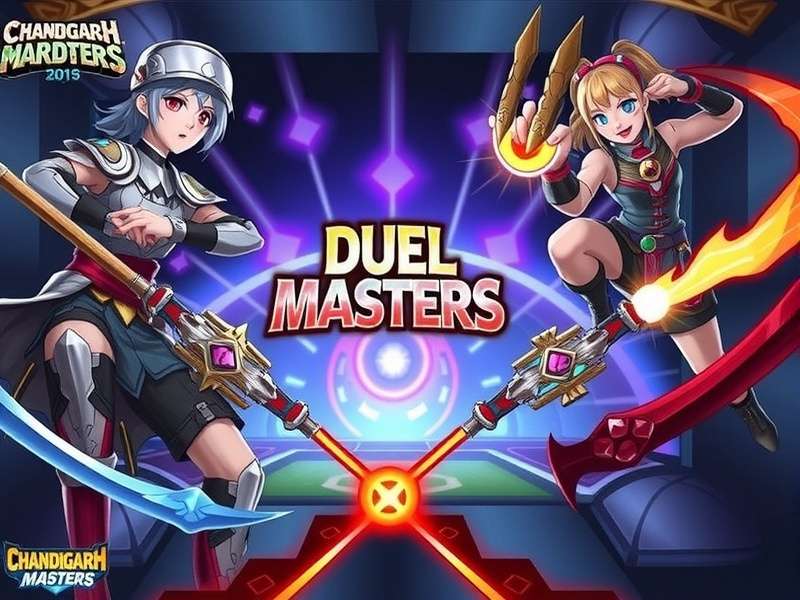
Let’s take a closer look at some of the game’s most popular Duel Masters, each with their own unique abilities and ties to Punjab’s culture:
1. Jassa Singh “The Khalsa Warrior”
Jassa Singh is a direct descendant of the legendary Sikh warrior Banda Singh Bahadur. Raised in a village near Amritsar, he trained in traditional Gatka (Sikh martial arts) from a young age. His weapon of choice is a “Khanda” – a double-edged sword that symbolizes the Khalsa’s courage and justice. Jassa’s special ability, “Khalsa Roar,” boosts the attack power of his team and strikes fear into enemies, inspired by the battle cries of Sikh warriors.
Jassa’s backstory revolves around his mission to honor his ancestors by protecting the Amrit Stone. He believes that the stone’s power should be used for good, not greed, and will stop at nothing to prevent Kali Kaal from misusing it. His character design features a traditional Sikh turban with phulkari embroidery, a kurta-pajama, and a steel shield engraved with the Sikh symbol “Khanda Sahib.”
2. Priya “The Tech Guru”
Priya is a 24-year-old engineer from Chandigarh, with a passion for blending traditional Punjabi instruments with modern technology. Her weapon is a “Tumbi Blaster” – a modified version of the tumbi (a Punjabi folk instrument) that shoots energy blasts. Her special ability, “Bhangra Beat,” creates a shockwave that stuns enemies and heals allies, set to the rhythm of Punjabi bhangra music.
Priya’s backstory is rooted in her love for her city. As a child, she visited the Rock Garden with her grandfather, who told her stories about Chandigarh’s founding and the importance of preserving Punjab’s culture. When Kali Kaal threatened to destroy the Rock Garden (which hides a fragment of the Amrit Stone), Priya used her engineering skills to create the Tumbi Blaster and join the Duel Masters.
3. Rana “The Desert Nomad”
Rana hails from the arid regions of southern Punjab, near the Rajasthan border. A skilled archer and tracker, he uses a “Lohar Bow” – a bow made from forged iron by Punjabi blacksmiths (lohar). His special ability, “Sand Storm,” creates a cloud of sand that blinds enemies and allows his team to regroup, inspired by the sandstorms of the Thar Desert.
Rana’s backstory is one of revenge and redemption. Kali Kaal destroyed his village and killed his family while searching for a fragment of the Amrit Stone. He joined the Duel Masters to avenge his loved ones and ensure that no other village suffers the same fate. His character design features a colorful safa (turban), a leather jacket with mirror work, and boots made from camel hide.
4. Meera “The Healer”
Meera is a nurse from Ludhiana, with a gift for healing using traditional Punjabi herbs and remedies. Her weapon is a “Patti Wand” – a wand made from the branches of the neem tree, infused with healing herbs. Her special ability, “Amrit Heal,” restores health to her team and grants them a temporary shield, inspired by the healing properties of amrit (nectar) in Sikh mythology.
Meera’s backstory is about compassion and courage. When Kali Kaal attacked a hospital in Ludhiana, Meera used her healing skills to save dozens of patients, including children. She joined the Duel Masters to use her gifts to protect others and spread the message of peace – a core value of Punjabi culture. Her character design features a white kurta with blue phulkari patterns, a dupatta, and a bag of healing herbs slung over her shoulder.
The game’s main campaign follows the Duel Masters as they travel across Punjab – from the Golden Temple in Amritsar to the Qila Mubarak in Patiala, and from the banks of the Beas River to the modern streets of Chandigarh – to collect fragments of the Amrit Stone and stop Kali Kaal. Along the way, they encounter allies and enemies, uncover ancient secrets, and learn the true meaning of courage, unity, and sacrifice.
What makes the lore of Chandigarh Duel Masters so engaging is its connection to real Punjabi history and mythology. The game’s developers have woven in stories of Sikh Gurus, Punjabi folk heroes, and historical events, making the lore both educational and entertaining. For example, one mission requires players to defend the Golden Temple from Kali Kaal’s forces, drawing inspiration from the temple’s historical significance as a symbol of Sikh resistance.
The game’s soundtrack further enhances the lore, featuring traditional Punjabi music genres like bhangra, gidda, and kirtan, mixed with modern electronic beats. The background music changes depending on the map – for example, the Golden Temple map features devotional shabads (hymns), while the Rock Garden map features upbeat bhangra music. The voice acting is done by native Punjabi speakers, adding authenticity to the characters’ dialogue and emotions.
As players progress through the campaign, they unlock new chapters of the lore, revealing more about the Amrit Stone, Kali Kaal’s origins, and the Duel Masters’ personal journeys. The game also features “Lore Quests” – optional missions that delve deeper into the backstories of individual characters, giving players a chance to learn more about their motivations and relationships.
Core Gameplay Mechanics
Chandigarh Duel Masters combines the strategic depth of a MOBA with the fast-paced action of an arcade game, creating a gameplay experience that’s both challenging and accessible. Designed exclusively for mobile devices, the game features intuitive touch controls, dynamic battle systems, and a variety of game modes to keep players engaged for hours.
Game Modes
The game offers four main game modes, each catering to different playstyles and preferences:
1. Duel Arena (5v5 Team Battle)
The flagship mode of Chandigarh Duel Masters, Duel Arena is a 5v5 team battle where two teams of Duel Masters compete to destroy the enemy’s “Amrit Core” – a structure that houses a fragment of the Amrit Stone. The map is divided into three lanes (Top, Mid, Bottom) with turrets protecting each lane, and jungle areas filled with neutral monsters that grant buffs when defeated.
Each match lasts 15-20 minutes, and players must work together to push through the enemy’s defenses, defeat their Duel Masters, and destroy the Amrit Core. The mode requires strategic teamwork, with players taking on different roles (Tank, Damage Dealer, Healer, Support) to maximize their team’s chances of victory. Voice chat is available in multiple Indian languages, allowing players to communicate and coordinate their moves in real-time.
2. Quick Duel (3v3 Deathmatch)
For players who prefer shorter, more intense battles, Quick Duel is a 3v3 deathmatch mode where teams compete to reach 30 kills first. The map is smaller than the Duel Arena, with no turrets or Amrit Core – just pure, fast-paced combat. Quick Duel matches last 5-10 minutes, making them perfect for gamers who want to fit in a quick battle during their commute or break.
The mode features power-ups scattered across the map, such as “Amrit Boost” (increases attack power) and “Shield of Punjab” (grants invincibility for 10 seconds). Quick Duel is a great way to practice combat skills, test new characters, or just have fun with friends.
3. Story Mode (Campaign)
Story Mode allows players to experience the game’s lore firsthand, with over 50 missions that follow the Duel Masters’ journey to stop Kali Kaal. Each mission has unique objectives, such as defending a village, rescuing hostages, or defeating a powerful boss. Story Mode is single-player, but players can invite a friend to join them in co-op mode for more challenging missions.
Completing Story Mode missions earns players XP, gold, and rare items, such as character skins and weapon upgrades. The mode also features cutscenes that advance the lore, with voice acting and animated sequences that bring the story to life.
4. Tournament Mode (Competitive Play)
Tournament Mode is for serious gamers who want to test their skills against the best players in India. The mode features monthly tournaments with cash prizes (in Indian rupees) and exclusive in-game rewards. Players can form teams of 5 (Khalasis) to compete in a knockout-style tournament, with matches streamed live on the game’s YouTube channel.
Tournament Mode has a ranking system, with players earning “Duel Points” for wins and losses. The top-ranked teams at the end of each month receive prizes like ₹50,000 cash, premium battle passes, and custom skins. The mode is regulated by Daman Games to ensure fair play, with anti-cheat measures in place to prevent hacking and exploitation.
Character Controls & Movement
The game’s control scheme is optimized for mobile devices, with a virtual joystick on the left side of the screen for movement and action buttons on the right for attacking, using abilities, and activating items. The controls are highly customizable, allowing players to adjust the size, position, and transparency of the buttons to suit their grip style.
Each Duel Master has three basic abilities and one ultimate ability (unlocked when the character reaches level 5). Basic abilities have a cooldown period (5-10 seconds), while ultimate abilities have a longer cooldown (30-60 seconds) but deal massive damage or provide powerful buffs. Players can also use two consumable items per match, such as healing potions or speed boosts, which can be purchased from the in-game shop during battles.
The game features a “Smart Targeting” system that automatically locks onto nearby enemies, making it easier for new players to aim their attacks. Advanced players can disable Smart Targeting and use manual aiming for more precise control. The controls are responsive, even on low-end devices, ensuring a smooth gaming experience without lag or input delay.
Character Progression & Customization
Chandigarh Duel Masters features a deep character progression system that allows players to level up their Duel Masters and customize their abilities. Each character starts at level 1, and players earn XP by completing matches, missions, and challenges. As characters level up, they unlock new abilities, increase their stats (attack, defense, health), and gain access to more powerful upgrades.
Players can also customize their characters with skins, emotes, and accessories. The game offers a wide range of skins, from traditional Punjabi outfits to futuristic armor, each with unique visual effects. For example, Jassa Singh’s “Golden Temple Guardian” skin features a gold-plated khanda and a turban with diamond embroidery, while Priya’s “Bhangra Queen” skin features a colorful bhangra outfit and a tumbi blaster with LED lights.
Emotes allow players to express themselves during battles, with options like dancing bhangra, waving a Punjabi flag, or quoting famous Sikh sayings. Accessories include items like masks, jewelry, and weapon attachments, which can be mixed and matched to create unique looks.
The game also features a “Battle Pass” system, with free and premium tiers. The free tier offers basic rewards like gold and common skins, while the premium tier (priced at ₹99 per month) offers exclusive rewards like legendary skins, emotes, and bonus XP. The Battle Pass is updated monthly with new themes, such as festival-themed passes for Diwali or Guru Nanak Jayanti.
Economy System
The game’s economy system is designed to be fair and accessible, with multiple ways for players to earn in-game currency without spending real money. The main currencies are:
- Gold: Earned by completing matches, missions, and daily challenges. Used to unlock new characters, upgrade abilities, and purchase basic items.
- Gems: Premium currency earned by completing achievements, participating in events, or purchasing with real money. Used to buy premium skins, emotes, and Battle Passes.
- Amrit Shards: Earned by defeating bosses in Story Mode or participating in tournaments. Used to craft legendary items and unlock exclusive characters.
The in-game shop offers a variety of items, with prices ranging from 100 Gold for a basic emote to 500 Gems for a legendary skin. The shop is updated daily with new items, and players can get discounts on festival days (up to 50% off during Diwali and Holi).
One of the most popular features of the economy system is the “Refer-a-Friend” program. Players who invite friends to download the game earn Gold, Gems, and a unique “Friendship Skin” when their friend reaches level 10. This program has helped the game grow organically, with players sharing the game with their friends and family.
Download Statistics & Reach in India
Since its launch in February 2024, Chandigarh Duel Masters has achieved remarkable success in the Indian mobile gaming market, with over 8 million downloads as of December 2024. The game is available on both Google Play Store and Apple App Store, and it has consistently ranked among the top 5 MOBA games in India, competing with international titles like Mobile Legends and League of Legends: Wild Rift.
The game’s download distribution across India is heavily concentrated in northern states, particularly Punjab and Haryana, but it has also gained popularity in other regions with large Punjabi communities. According to data from Daman Games, the top 10 states with the highest number of downloads are:
- Punjab (32% of total downloads) – The game’s cultural roots in Punjab have made it a massive hit in the state, with cities like Amritsar, Ludhiana, and Chandigarh accounting for the majority of downloads.
- Haryana (18%) – Close cultural ties with Punjab and a large mobile gaming audience have made Haryana the second-largest market for the game.
- Delhi NCR (15%) – A major gaming hub with high smartphone penetration, Delhi NCR has a large number of competitive gamers who enjoy the game’s tournament mode.
- Uttar Pradesh (10%) – India’s most populous state, with a growing mobile gaming market and a significant Punjabi community.
- Rajasthan (8%) – The game’s desert-themed maps and characters have resonated with gamers in Rajasthan, particularly in cities like Jaipur and Jodhpur.
- Gujarat (6%) – A growing market for mobile games, with a large number of casual gamers who enjoy the game’s Quick Duel mode.
- Madhya Pradesh (4%) – The game’s accessibility on budget devices has made it popular in rural areas of Madhya Pradesh.
- Maharashtra (3%) – Home to Mumbai, India’s entertainment capital, the game has gained traction among gamers who appreciate its cultural authenticity.
- Uttarakhand (2%) – The game’s mountain-themed maps have resonated with gamers in Uttarakhand.
- Himachal Pradesh (2%) – A small but growing market, with gamers drawn to the game’s outdoor-inspired maps and characters.
The game’s download trends show significant spikes during Indian festivals, with the highest numbers recorded during Diwali, Holi, and Guru Nanak Jayanti. For example, during Diwali 2024, the game saw a 400% increase in downloads compared to average days, as players took advantage of festival-themed events, discounts, and exclusive rewards.
Another key trend is the game’s popularity among rural gamers. According to Daman Games, over 65% of the game’s players use devices priced below ₹15,000, and 40% of downloads come from rural areas. This is due to the game’s optimization for low-end devices, low storage requirement (700MB), and offline mode (which allows players to download game data and play without an internet connection).
The game’s gender distribution is also notable, with 65% male players and 35% female players. This is higher than the industry average for MOBA games in India (which typically have 80% male players), thanks to the game’s diverse cast of characters (including strong female leads like Priya and Meera) and marketing campaigns that target female gamers.
Age-wise, the game’s player base is primarily between 15-35 years old, with 45% of players aged 15-24 (teenagers and college students) and 40% aged 25-35 (young professionals). The remaining 15% are players aged 36 and above, who appreciate the game’s cultural themes and strategic gameplay.
The game’s revenue has grown steadily since launch, with over ₹25 crore earned in India as of December 2024. The majority of revenue comes from in-app purchases (60%), followed by advertising (30%) and tournament entry fees (10%). The most popular in-app purchases are premium skins (35% of revenue), Battle Passes (25%), and premium currency (20%).
Daman Games has reinvested a portion of the revenue into marketing and promoting the game in India. The studio has partnered with Indian smartphone manufacturers like Xiaomi, Realme, and Samsung to pre-install the game on select devices, and it has run marketing campaigns on popular Indian platforms like YouTube, Instagram, and TikTok. The game has also been featured in Indian gaming events like PAX India and India Game Developer Conference (IGDC).
Looking ahead, Daman Games expects the game to cross 15 million downloads in India by the end of 2025, with plans to expand into international markets with large Punjabi communities, such as Canada, the UK, and the US. The studio is also working on a PC version of the game, which will be launched in 2025, and a sequel that will explore more regions of India and their cultures.
Player Reviews & Ratings
Chandigarh Duel Masters has received overwhelmingly positive reviews from Indian players, with a 4.8/5 rating on Google Play Store (based on 1.5 million reviews) and a 4.9/5 rating on Apple App Store (based on 400,000 reviews). The game’s high rating is a testament to its quality, accessibility, and cultural relevance, with players praising everything from its gameplay to its character designs.
Jaspreet Singh, Amritsar
Priya Kapoor, Chandigarh
Raj Kumar, Delhi
Manpreet Kaur, Ludhiana
The most common positive feedback from players includes:
- Cultural Authenticity: Players love how the game celebrates Punjabi culture, from character designs to music, maps, and dialogue. Many Punjabi players have praised the game for honoring their heritage in a respectful and engaging way.
- Smooth Gameplay: The game’s optimization for low-end devices is a major plus, with players noting that it runs smoothly without lag or crashes, even during intense 5v5 battles.
- Localization: The support for multiple Indian languages (Punjabi, Hindi, English) and regional dialects has made the game accessible to players from different parts of India. The voice chat in regional languages is particularly popular.
- Diverse Characters: Players appreciate the diverse cast of characters, including strong female leads and characters from different backgrounds. Each character has a unique backstory that adds depth to the game.
- Social Features: The guild system, voice chat, and team-based gameplay have fostered a strong sense of community among players. Many players have formed long-lasting friendships through the game.
- Regular Updates: Daman Games releases frequent updates with new characters, maps, and events, keeping the game fresh and engaging for long-term players.
- Fair Monetization: Players appreciate that the game is free-to-play and that in-app purchases are optional and affordable. The game doesn’t force players to spend money to win, which is a refreshing change from other mobile games.
While the majority of reviews are positive, some players have provided constructive feedback, including:
- Long Queue Times: Some players have complained about long queue times for tournament mode, especially during peak hours. Daman Games has responded by adding more servers and expanding the tournament schedule.
- Expensive Legendary Skins: A small number of players have noted that legendary skins are expensive (500-1000 Gems), which is equivalent to ₹50-₹100. The studio has introduced more affordable skin options and discount events to address this.
- More Language Support: Players from southern states have requested support for languages like Tamil, Telugu, and Malayalam. Daman Games has announced plans to add these languages in 2025.
- Balance Issues: Some players have reported that certain characters are overpowered. The studio regularly updates character balances based on player feedback and gameplay data.
Daman Games has been proactive in addressing player feedback, with a dedicated community team that responds to reviews and suggestions on social media and gaming forums. The studio releases monthly updates that include bug fixes, balance changes, and new content based on player input.
The game has also received positive coverage from Indian gaming influencers and media outlets. Popular YouTube gamers like CarryMinati, Mortal, and Techno Gamerz have reviewed the game, praising its gameplay and cultural relevance. Indian gaming websites like GamingBolt and IGN India have given the game high ratings, with IGN India calling it “a game-changer for Indian mobile gaming.”
In addition to player reviews, the game has won several awards, including:
- Best Localized Game 2024 – Indian Gaming Awards
- Most Innovative Mobile Game 2024 – TechGig India Digital Summit
- Best MOBA Game 2024 – India Game Developer Conference (IGDC)
- Cultural Impact Award 2024 – Punjab Government
These awards and positive reviews have helped the game gain credibility and attract new players, solidifying its position as one of India’s top mobile games.
Localization Versions & Regional Differences
One of the key factors behind Chandigarh Duel Masters’ success in India is its extensive localization, which caters to the country’s diverse linguistic and cultural landscape. Daman Games has invested heavily in ensuring that the game feels personal and relatable to players from all regions of India, with multiple language options, region-specific content, and hardware optimization for Indian devices.
Language Support
Chandigarh Duel Masters currently supports 8 Indian languages, with plans to add 4 more in 2025. The supported languages are:
Each language version is carefully translated by native speakers to ensure accuracy and cultural relevance. The game’s dialogue, menus, tutorials, and voice acting are all localized, with special attention to regional dialects and colloquialisms. For example, in the Punjabi version, characters use phrases like “Ki haal hai?” (how are you) and “Chaliye” (let’s go), while in the Hindi version, they use “Kaise ho?” and “Chalo.”
The voice acting is done by popular regional artists, adding authenticity to the characters. For example, Jassa Singh’s voice actor in the Punjabi version is a well-known Punjabi singer, while the Hindi version features a popular Bollywood voice artist. This attention to detail has made the game feel more immersive and relatable to